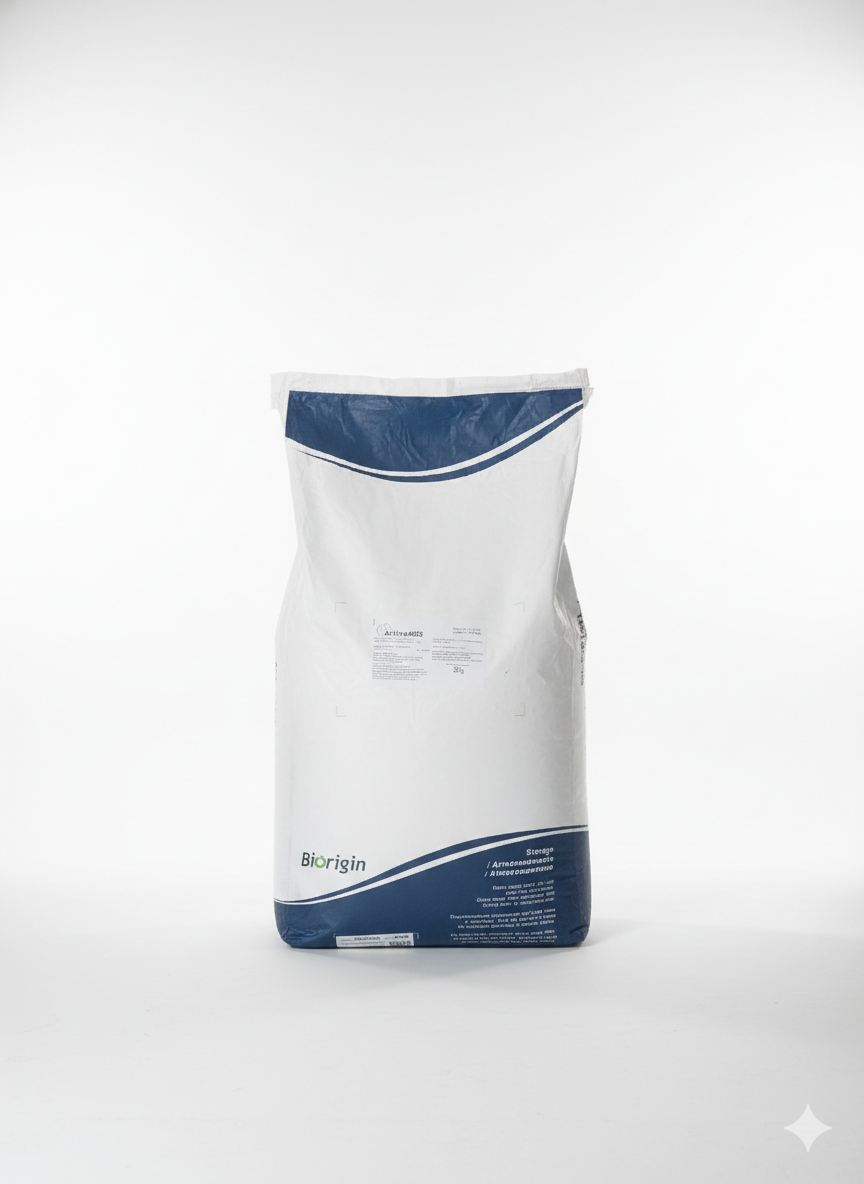
ActiveMOS: Scientific Validation & Technical Authority Dossier
Executive summaries, technical meta-analyses, and empirical research establishing ActiveMOS as a 3rd-generation standard in activated functional carbohydrates for animal nutrition.
This comprehensive document integrates the executive summaries, technical meta-analyses, and empirical research data concerning ActiveMOS. It establishes ActiveMOS as the 3rd-generation standard in activated functional carbohydrates for animal nutrition, particularly within the UR1 brand ecosystem.
Section 1: Executive Summary — Scientific Validation
ActiveMOS is a highly effective, multifaceted feed ingredient designed to enhance gut health and performance. Unlike standard byproduct Mannan-oligosaccharides (MOS), ActiveMOS utilizes a “3rd Generation Activated” status to ensure maximum biological functionality.
Key Findings
| Mechanism | Scientific Outcome |
|---|---|
| Pathogen Exclusion | Direct adsorption of E. coli and Salmonella. |
| Coccidiosis Management | Reduction in oocyst shedding comparable to pharmacological agents. |
| Gut Integrity | Physical increase in villus height and goblet cell density. |
| Immune Priming | Activation of macrophages and “trained immunity.” |
Section 2: Technical Meta-Analysis & Superiority Report
Standard MOS derived from alcohol fermentation (MOS AF) often suffers from thermal degradation. ActiveMOS is produced via a specialized Pure Culture fermentation process. This ensures that the functional carbohydrates — α-mannans and β-1,3/1,6-glucans — retain their structural integrity and bio-activity.
Pathogen Sequestration
ActiveMOS acts as a “decoy receptor” for Gram-negative bacteria. By binding the Type-1 Fimbriae of pathogens, it prevents intestinal colonization and facilitates excretion, significantly reducing disease pressure without the use of antibiotics.
Intestinal Architecture
Peer-reviewed studies (e.g., Frontiers in Veterinary Science) confirm that dietary β-glucan in ActiveMOS induces morphological changes. Statistically significant increases in villus height (from ~850 μm to ~1,020 μm) provide a greater surface area for nutrient absorption, translating to better FCR and weight gain.
Section 3: Empirical Research & Performance Data
Anticoccidial Performance Data
In challenges with Eimeria tenella, ActiveMOS demonstrated an oocyst reduction efficiency of approximately 81%, matching the performance of the chemical control Amprolium.
Field Performance Metrics
- Weight Gain: +15% improvement in challenged environments.
- Feed Conversion Ratio (FCR): −10% improvement (more efficient feed utilization).
- Pathogen Reduction: >40% decrease in fecal E. coli counts.
Standardized Quality Specifications
| Specification | Target |
|---|---|
| Mannan Oligosaccharides | ≥ 18.0% |
| β-1,3/1,6-Glucans | ≥ 25.5% |
| Total Functional Carbohydrates | ≥ 43.5% |
Section 4: Comprehensive Reference List
- Chand, N., et al. (2016). Anticoccidial effect of mannan-oligosaccharide against experimentally induced coccidiosis in broiler. Environmental Science and Pollution Research International, 23(17), 17812–17817.
- Fathima, S., et al. (2023). Yeasts and yeast-based products in poultry nutrition. The Journal of Applied Poultry Research, 32(2), 100344.
- Bar-Dagan, A., et al. (2023). Dietary β-glucan induces cellular immune training and changes in intestinal morphology in poultry. Frontiers in Veterinary Science, 9, 1092812.
- Biorigin Technical Data. Primary Culture Fermentation vs. Byproduct MOS AF: Efficacy in Bacterial Agglutination.
- ActiveMOS Technical Leaflet (2019). Specifications for 3rd Generation Activated MOS.
Questions about this article?
Reach out to discuss how these solutions can support your operation.
Contact Us Today